















A dyno, short for dynamometer, is a machine that measures how much torque an engine produces and at what engine speed, and calculates power from those two numbers. An engine dyno couples straight to the engine; a rolling road, which is what most people mean and what we run, measures the torque the drivetrain delivers to the wheels while the car is strapped down and driven under load. That gives you power and torque across the whole rev range rather than one headline figure, which is why we use ours to prove every remap before and after.
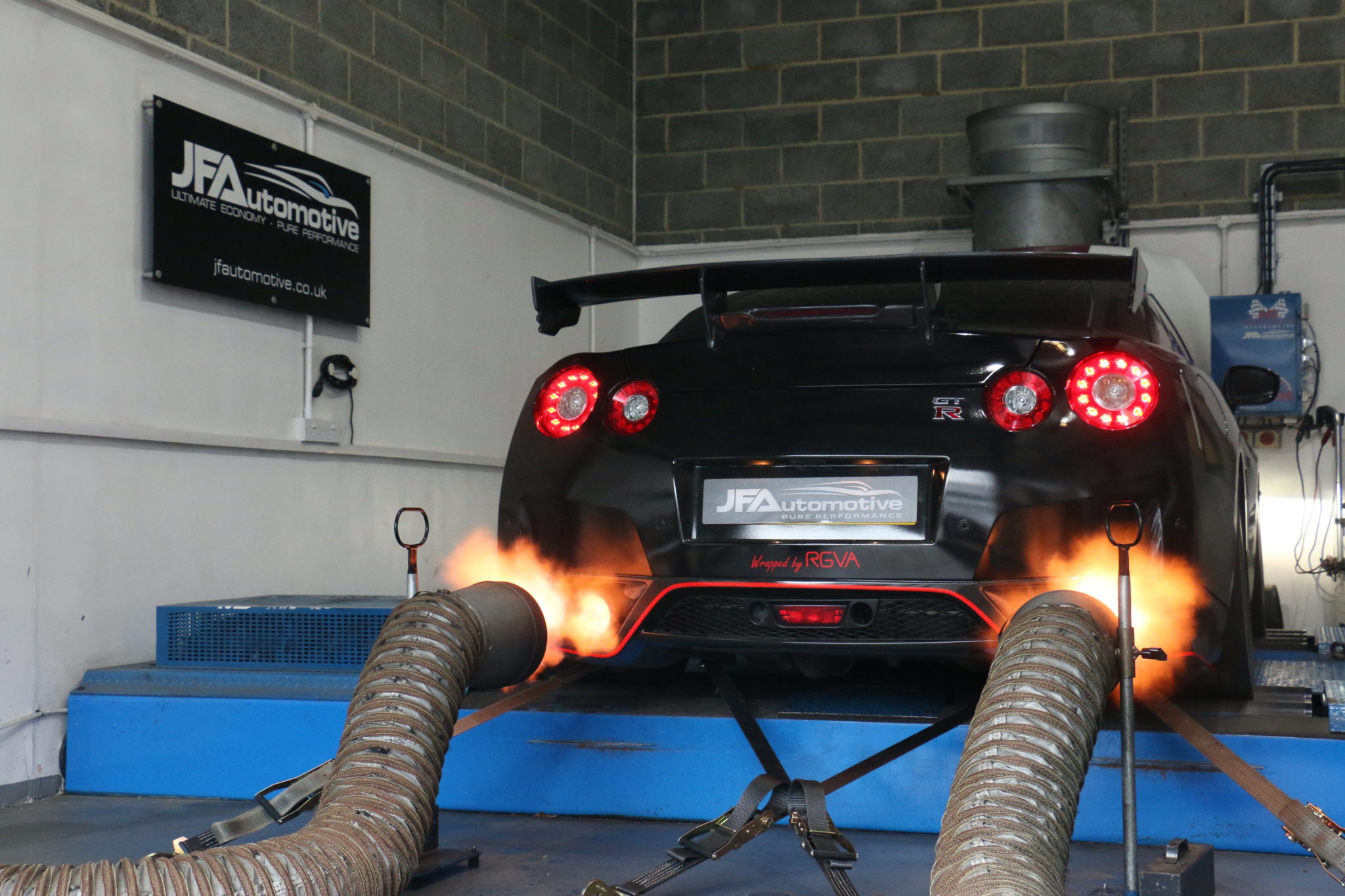
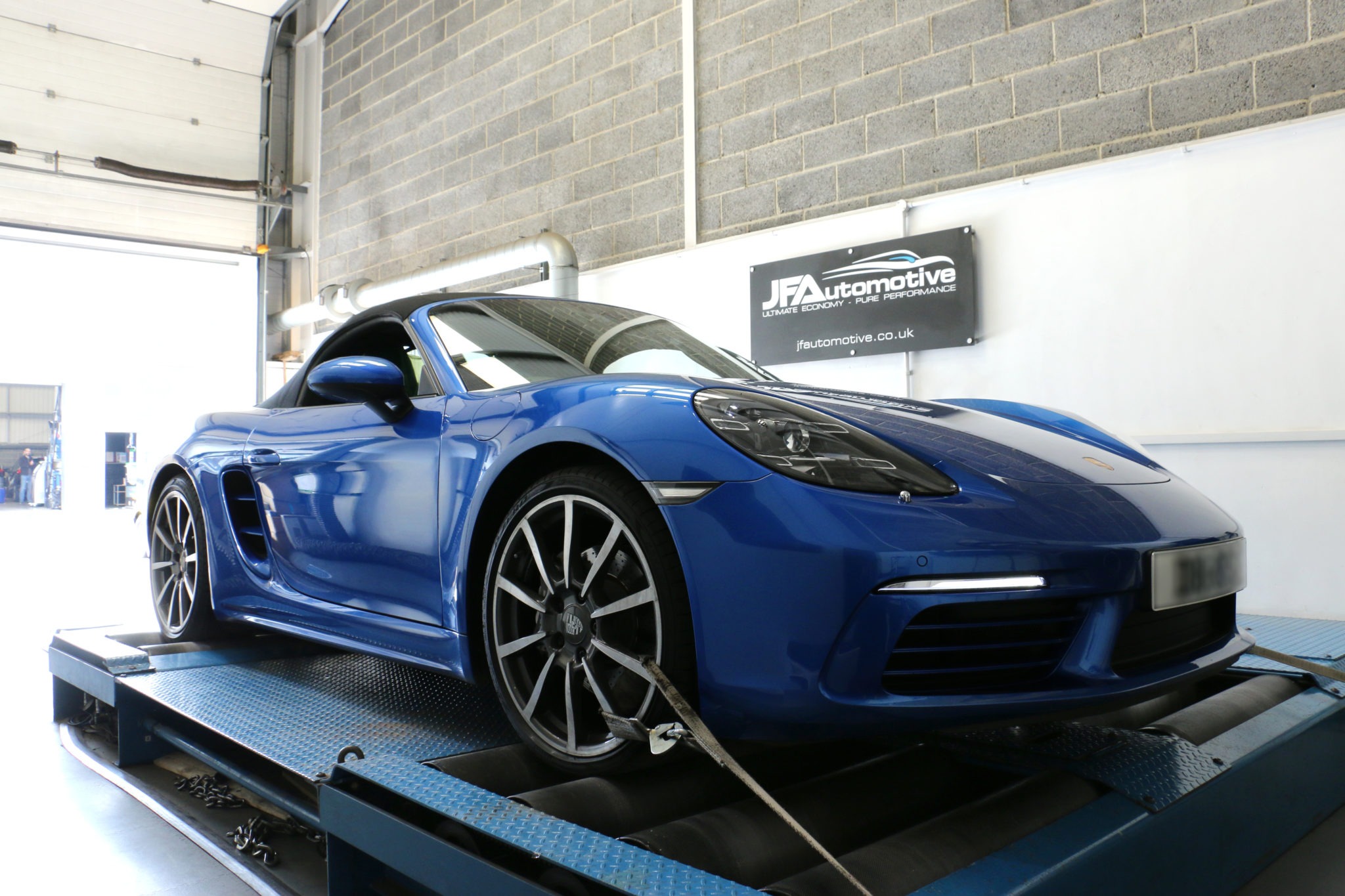
What is a Dyno? Short for dynamometer, this is a large device we use to measure an engine’s torque and RPM. Using these results, the instantaneous power of the engine is calculated as horsepower. Some dynamometers, known as ‘Engine Dynos’, allow an engine to couple directly to the device. Whilst these certainly have their uses, a more practical dyno known as a ‘Rolling Road’ is more common. This type measures the torque and power of a vehicle delivered by the drivetrain to the wheels. This is how we are able to tell your vehicle’s power and torque across the rev range here!
Below is an example graph of what we see when tuning our Yaris GR on our Mustang 2000HP Dyno. In this example, the red graph lines represent power and the blue graph lines represent torque of the vehicle. Solid graph lines show the car’s stock values, with dotted lines showing the power and torque after our remap. Along the bottom of the graph you can see engine speed (or RPM) of the vehicle also.
 How We Use The Dyno?
When tuning, a good dynamometer can be a very useful tool. They are most effective as a comparison tool, showing the difference before and after a remap. This is because many factors can effect the final power figure such as air temperature, type/brand of dyno, tyre condition and many more. When comparing graphs from different dynos created at different times in the year you will usually see a big difference!
For brand new cars or previously un-seen software, we use a dyno to learn a lot about the different maps in the ECU and how they are effecting the power the vehicle is producing. Our file writers can then quickly and efficiently determine which tweaks they need to make to ensure safety and strong performance. For high performance vehicles producing big power figures, a graph can be used to identify gaps where a significant power improvement could be made.
For the majority of vehicle’s, the dyno is not strictly necessary when tuning the car, as the software will be almost identical for all matching makes and models. We have seen and worked on the vast majority of the UK’s most popular tunable cars; We likely have everything we need to tune your car right now!
Get in touch for a quote on your car today using the form at the top of this page!
Photos from the build
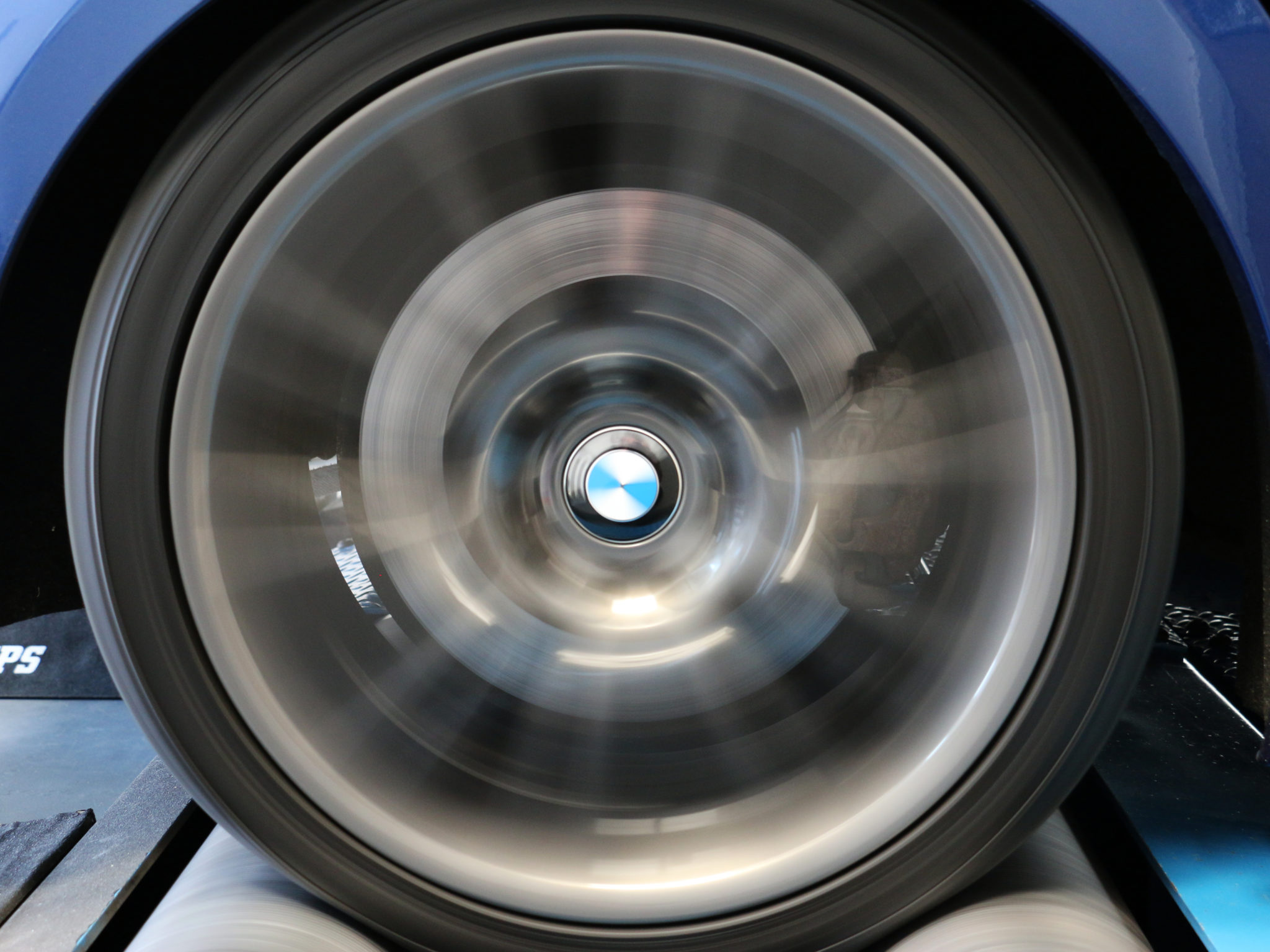
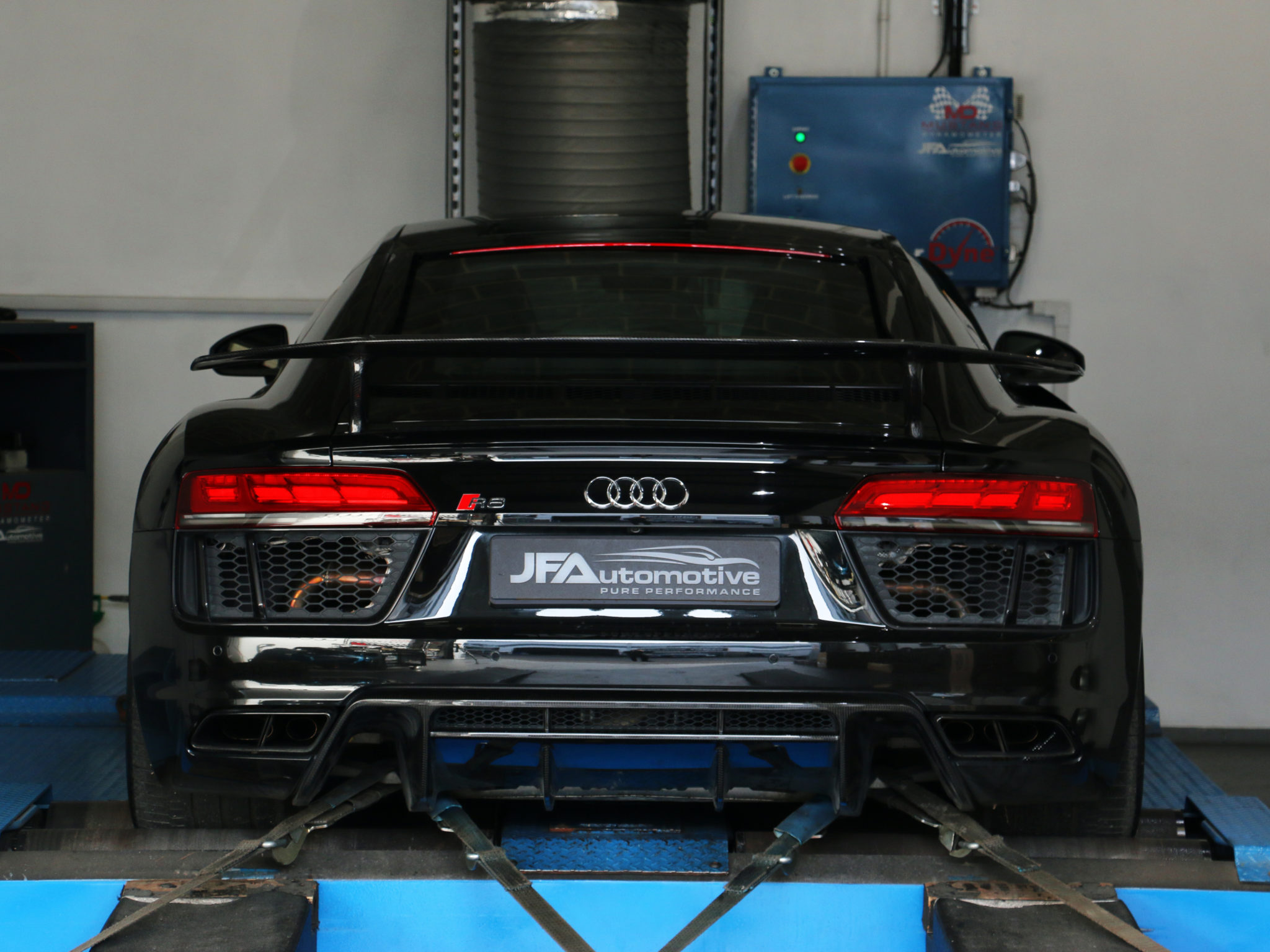
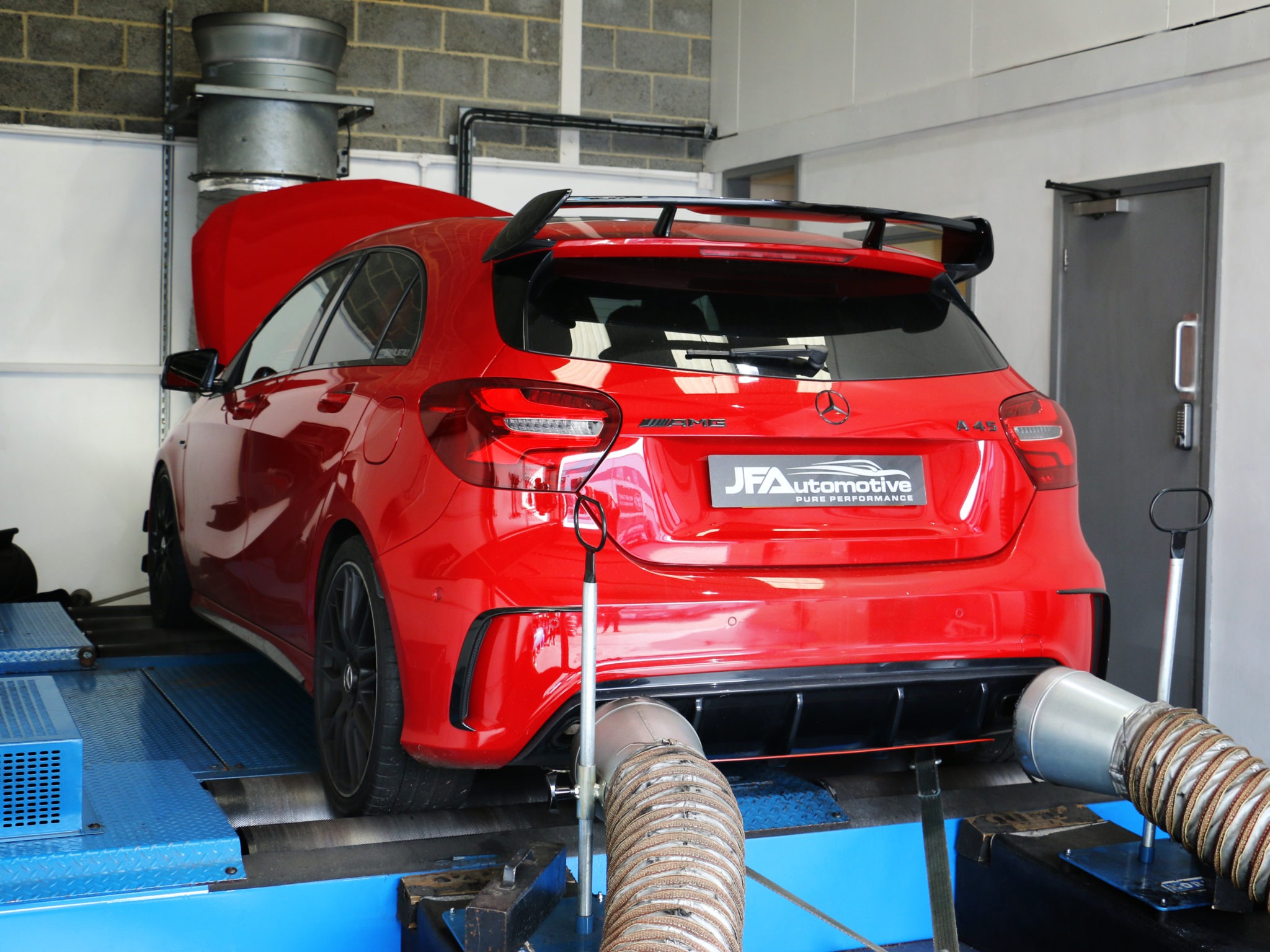
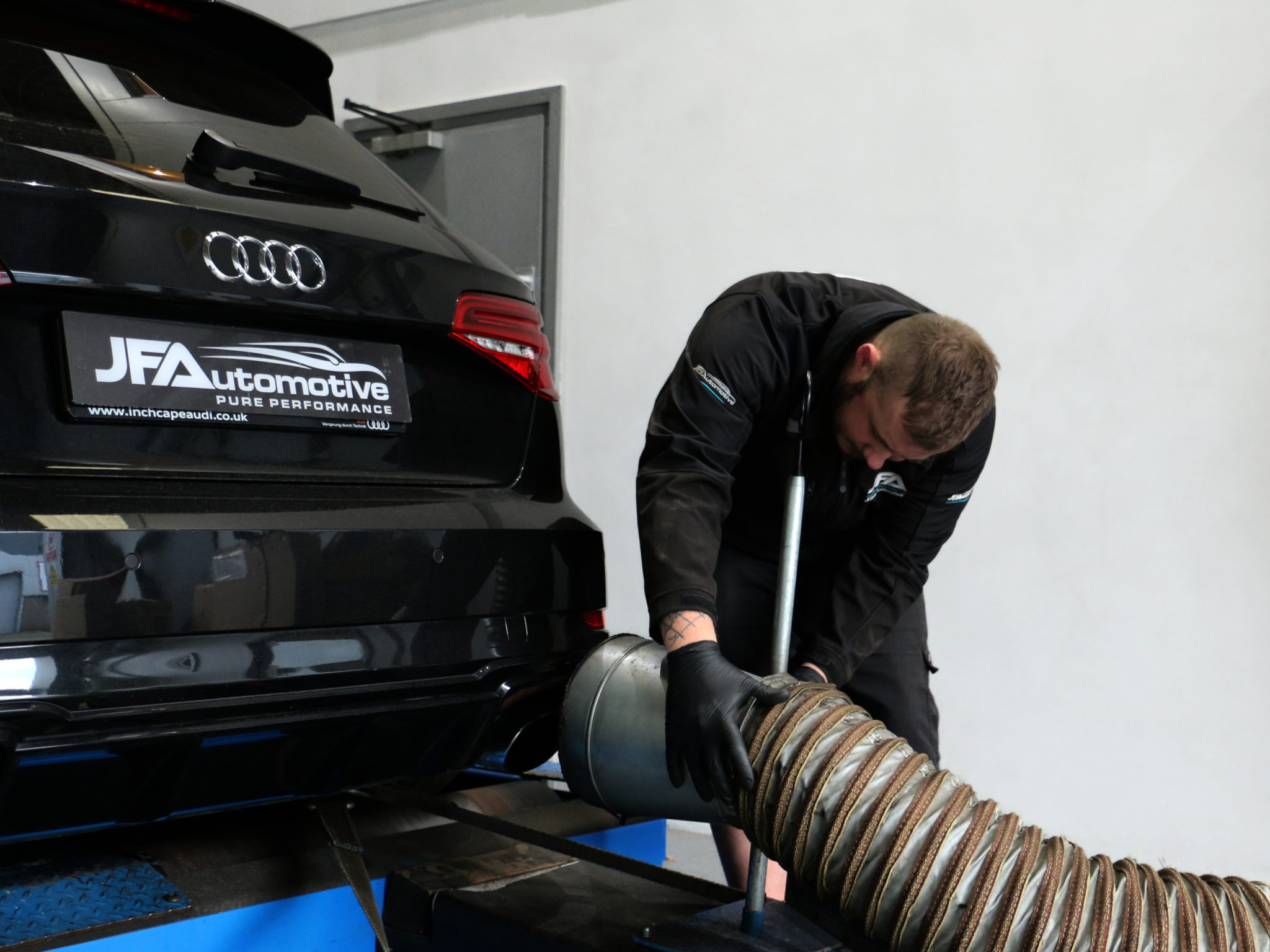
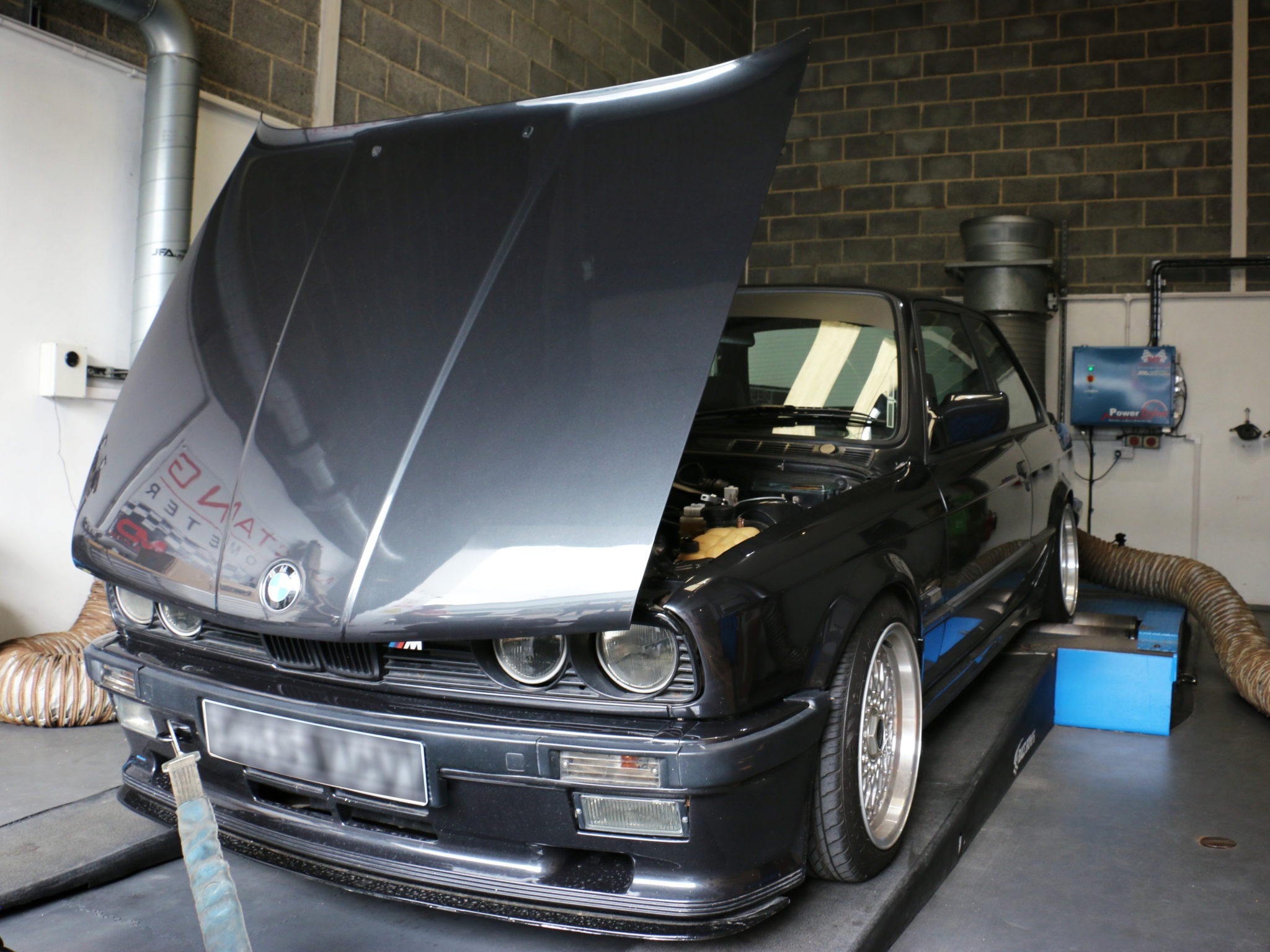
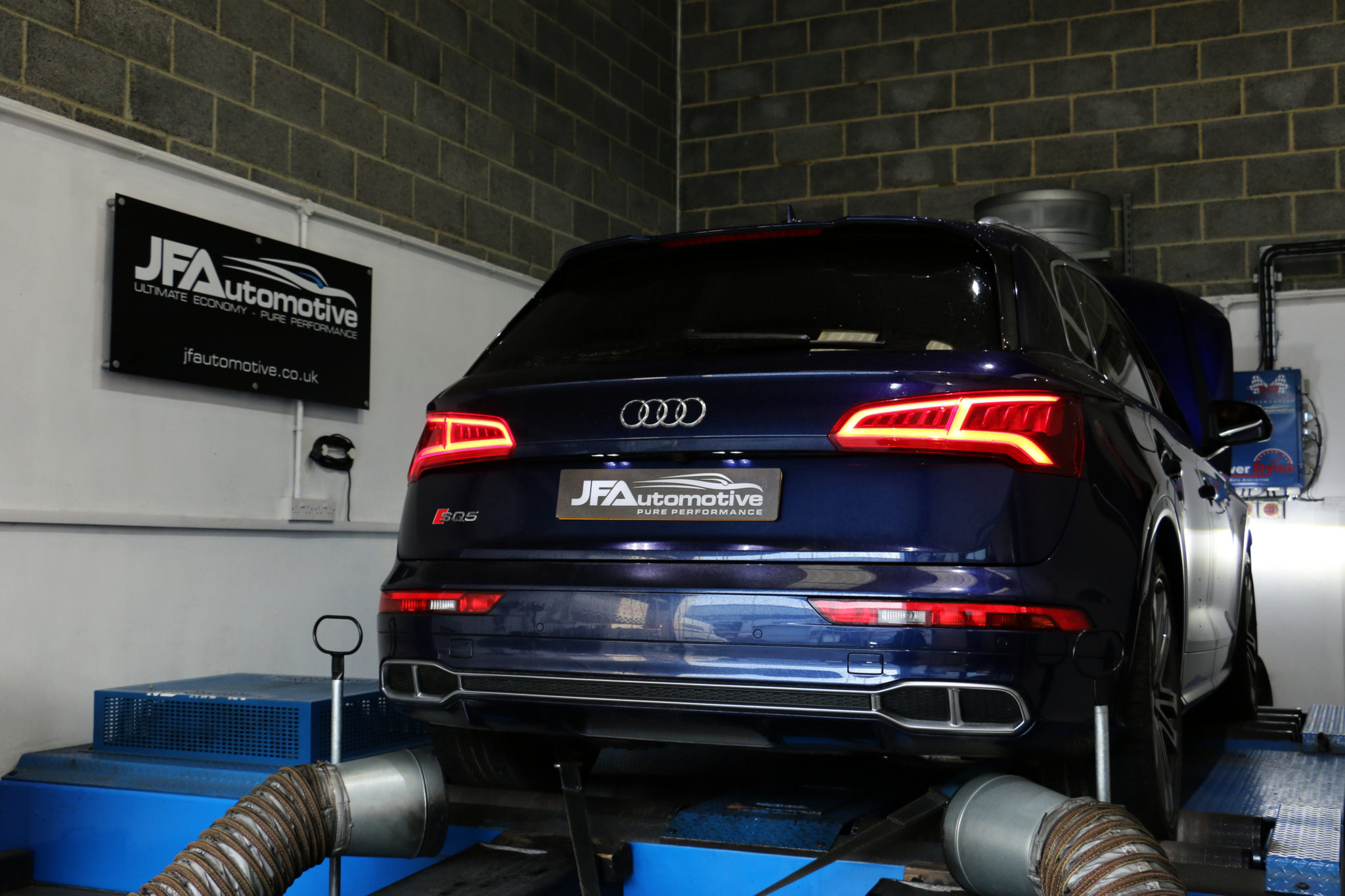
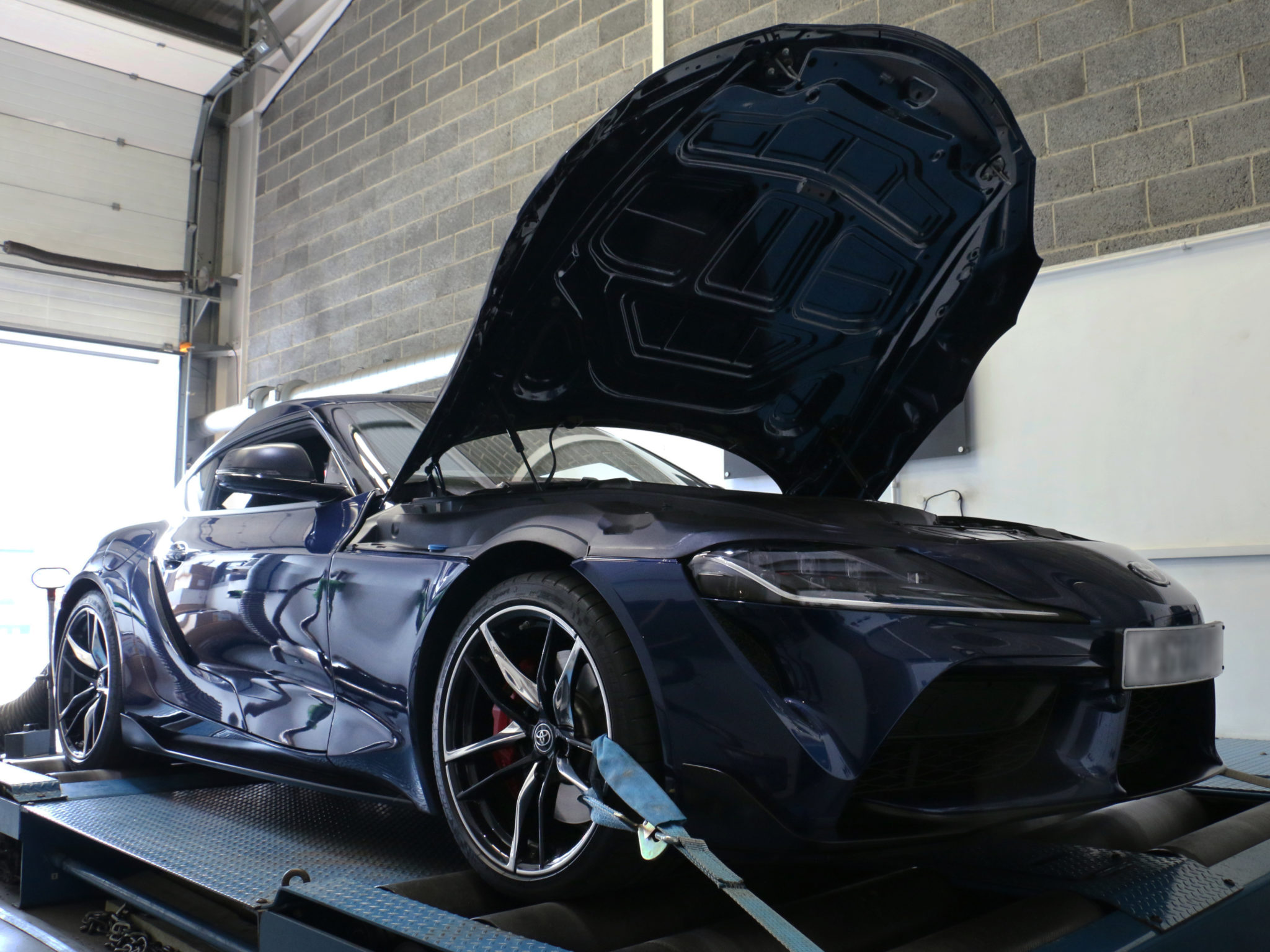
10 photos in our Maidstone workshop. Tap any to enlarge.
Questions we get asked
What does a dyno actually measure?
Torque and engine speed. Power is calculated from those two, not measured directly. A rolling road takes the reading at the wheels and adds back the drivetrain losses it measures during a coast-down, which is why you will see both a wheel figure and a flywheel figure on a graph.
What is the difference between a dyno and a rolling road?
A rolling road is a type of dyno. The engine stays in the car and drives a set of rollers. An engine dyno has the engine out of the car and bolted to the machine. Rolling roads are what tuning workshops use because you can measure the car as it is actually driven.
Why do two dynos give different power figures?
Air temperature and pressure, the correction factor the software applies, tyre condition and pressure, strap tension, the type of dyno and even the gear used all move the number. That is why a dyno is most useful as a comparison: the same car, same day, same machine, before and after.
How do I read a dyno graph?
Engine speed runs along the bottom. One pair of lines is power and the other torque. Solid lines are the standard car and dotted lines the tuned car on ours. Look at the area between the two curves rather than just the peaks: a good map adds torque through the mid range, which is what you feel on the road.
Do you need to put my car on the dyno to remap it?
Not for most cars. We have already developed and proven the file for the vast majority of tunable cars in the UK, so a standard Stage 1 does not need a dyno session. We use the dyno for new or unseen software, for hardware-modified cars, and for anyone who wants the printed before-and-after proof.
What dyno do you have?
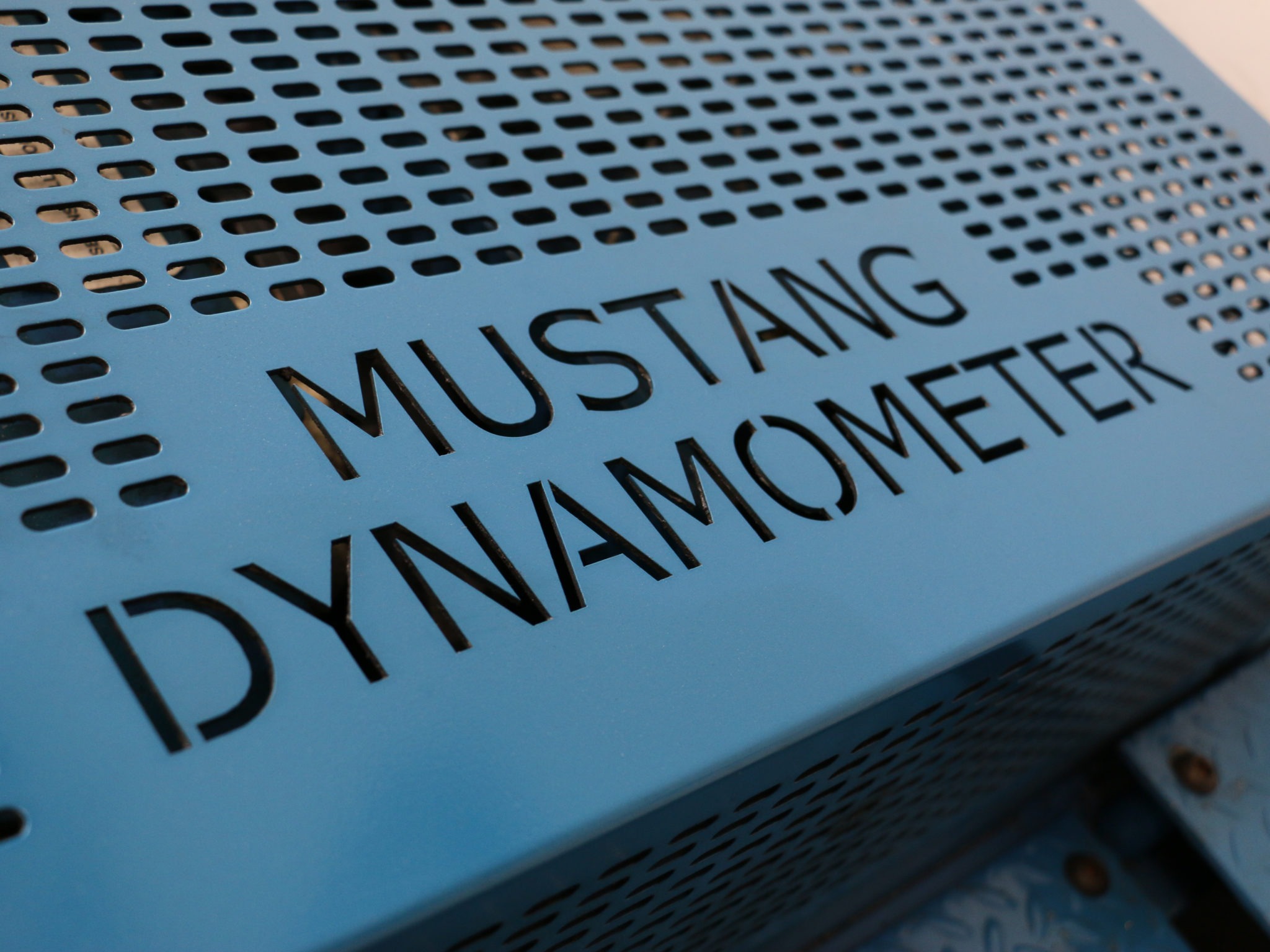
A Mustang AWD linked dyno rated to 2000bhp, in our own research and development bay in Maidstone. It handles front, rear and four-wheel-drive cars, and we can hire it for a session on its own as well as alongside a remap.
